Mitigation Research
2022 updates to Giving Green's approach and recommendations
Summary
- What we’ve accomplished and learned: Since our 2020 launch, we conducted broad reviews on 20 climate change approaches and published 10 giving recommendations. We estimate we’ve directed around $3.6M to these recommendations. We’ve made some mistakes along the way and have continually refined our research approach and model.
- Our theory of change: At a high level, Giving Green’s theory of change follows a five-step process. We produce high-quality recommendations, supporters make donations based on these recommendations, and recommended organizations increase their activities. These activities remove or avoid atmospheric GHG, which subsequently reduces human suffering due to climate change. We think there are two ways our research and recommendations can be especially impactful: (1) Direct funding to highly cost-effective giving opportunities and (2) in high-interest giving areas, reallocate funding from low-impact opportunities to higher-impact opportunities. We think directing funding to highly cost-effective giving opportunities is the most important research Giving Green can focus on, since it’s our impression that these organizations are able to do substantially more with each dollar than some of the most well-known philanthropic opportunities.
- Our research process: Over the past year, we estimate we spent around 6,000 hours searching for, identifying, evaluating, and publishing research on our recommendations. To identify our 2022 top recommendations, we conducted a broad assessment of the climate philanthropy landscape, identified promising strategies, developed a longlist of organizations working on each strategy, conducted “shallow dive” and subsequent “deep dive” research on a subset of these organizations, and published recommendations. For our recommendations targeted to businesses, we followed a similar process that included user research to ensure our recommendations would be applicable to business-specific criteria and preferences.
- Updates to our process and products: In addition to thinking about what we should research, we’re also continually making efforts to improve how we conduct and communicate our research. Our improvements focus on two guiding principles: increasing the quality and increasing the transparency of our research. Updates include: formalizing our theory of change and research prioritization; publishing mistakes we’ve made; increasing our reasoning transparency; increasing public-facing research; and expanding citations. We plan to focus more on this in the years to come.
- Our 2022 top recommendations: We think our top recommendations are the most important way we can have impact. Though there is inherent uncertainty in assessing and comparing the cost-effectiveness of many of these funding opportunities, we believe these recommendations represent organizations and initiatives that can be highly effective with additional philanthropic funding. They include a re-analysis of our previous recommendations, as well as new recommendations focused on food systems, nuclear energy, and decarbonizing heavy industry. Our 2022 top recommendations are Clean Air Task Force, Evergreen Collaborative, The Good Food Institute, Good Energy Collective, and Industrious Labs.
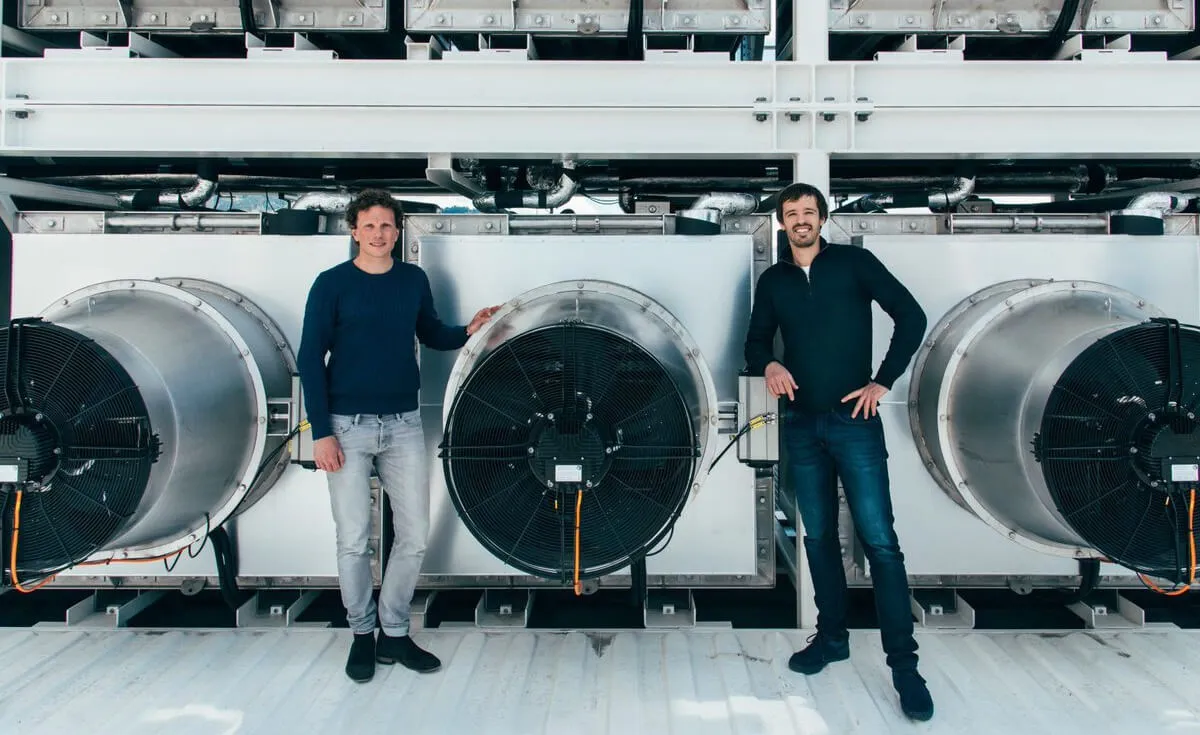
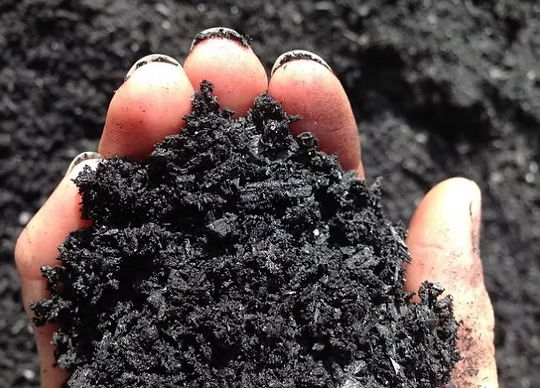
- Our recommendations for businesses: In order of priority, we recommend businesses (a) consider cost-effective opportunities to directly reduce their own emissions, (b) donate to our top recommendations, (c) donate to carbon removal funds, and (d) purchase high-quality carbon removal or offset credits. Our specific recommendations for businesses include making catalytic investments in carbon removal though the Frontier or Milkywire funds; buying carbon removal from Mash Makes, Charm Industrial, or Climeworks; or buying high-quality carbon offsets from Tradewater or BURN.
- Key uncertainties and plans to address them: We aim to be highly transparent about the uncertainties we have in our approach and research. Some of our key overall uncertainties include: whether there is a better way to define and target human suffering due to climate change; how we should think about climate impact today versus tomorrow; and within our top recommendations, identifying the most cost-effective giving opportunity.
- Our plans for 2023: We look forward to continuing to engage with the broader climate community to learn and share in the year ahead. As always, we will remain focused on our mission to reduce human suffering due to climate change. Though we will remain flexible and may revise plans, our current top priorities include: executing our plans to address key uncertainties, publishing an annual report, publishing additional information on earlier-stage climate landscape research, expanding research into new topics, and continuing to generally improve the quality and usefulness of our work.
Disclaimer
This report was last updated in November 2022.
What we’ve accomplished and learned
Our theory of change
Our research process
Updates to our process and products
Our 2022 recommendations
Key uncertainties and plans to address them
Our plans for 2023
Appendix
Explore More Climate Giving Research


.webp)

.webp)
.webp)

.webp)


.webp)
.webp)



.webp)
.webp)
.webp)
.webp)



.webp)
.webp)
.webp)

.webp)

%20(1).webp)

.webp)
.webp)

.webp)

.webp)
.webp)
.webp)

.webp)


.webp)
%20(1).webp)
.webp)


.webp)


.webp)
.webp)
.webp)
.webp)


.webp)
.webp)
.webp)


.webp)
.webp)
.webp)
.webp)



.webp)
.webp)

Support Our Work
Giving Green Fund
One fund. Global impact. One hundred percent of your gift supports a portfolio of high-impact climate organizations, vetted by our research.
Best for:
Donors who want the simplest way to impact multiple climate solutions.
Learn more
Top Climate Nonprofits
Meet the organizations on Giving Green’s list of high-impact nonprofits working to decarbonize our future, identified through our rigorous research.
Best for:
Donors who want to give directly and independently.
Learn more
Support Our Work
We thoroughly research climate initiatives so you can give with confidence. For every $1 we receive, our work unlocks another $25.90 for effective climate solutions.
Best for:
Donors who want to amplify their impact through research.
Learn more
give NOW