Decarbonizing Iron and Steel: Strategy Report
Summary
- Why is decarbonizing iron and steel important?
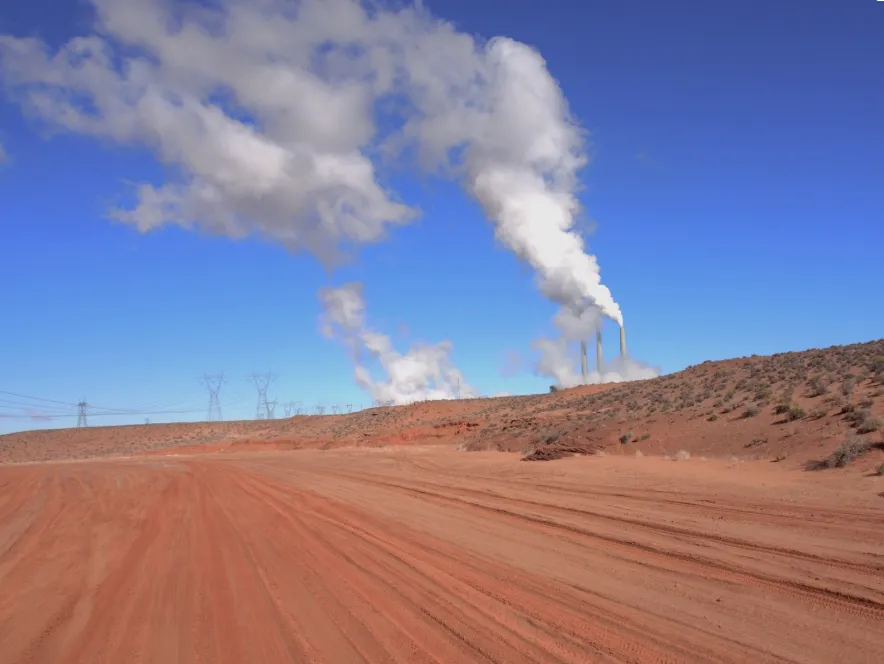
Iron and steel is the heaviest-emitting industrial sector, at ~4.4 billion metric tons of CO2-equivalent (tCO2e) per year, or 8% of global emissions. Emissions arise primarily from using fossil fuels to reduce iron ore to iron, and substantial emissions are also produced during the conversion of iron into steel. The current pipeline of primary green steel plants would meet less than 2% of today’s steel demand, which is projected to grow by more than a third by 2050.
- How could efforts to decarbonize iron and steel reduce greenhouse gases?
Pathways to decarbonize iron and steel involve substituting fossil-fuel inputs with green hydrogen and electricity. The leading solution for decarbonizing iron and steel is the hydrogen-direct-reduced iron (H2-DRI) plus electric arc furnace (EAF) pathway. H2-DRI replaces iron ore conversion, which traditionally runs on coal, or increasingly, natural gas. The EAF step replaces coal-based furnaces, which convert iron to steel. Electrochemical technologies are an emerging alternative to H2 DRI, which could be less energy-intensive and do not require green hydrogen, a key driver of cost, as a raw material.
- What do our findings suggest are the most promising philanthropic sub-strategies for reducing iron and steel emissions?
Based on our research into relevant mitigation sub-strategies, we think the most promising philanthropic sub-strategies to decarbonize iron and steel are improving and accelerating the allocation of government innovation funds, supporting government low-carbon procurement commitments, and supporting governments in establishing regulatory frameworks. We also see strong potential for sub-strategies to support green trade policy, facilitate corporate low-carbon procurement commitments, and facilitate early-mover plant construction.
- Is there room for more funding?
We estimate that efforts to decarbonize iron and steel receive ~$60 million USD in philanthropic funding per year, equivalent to less than 1% of total philanthropic climate funding—disproportionately low against steel's share of global emissions.
We are unsure how much public and private funding is directed specifically at iron and steel. However, industrial decarbonization as a whole received $29 billion in 2024, just 1.5% of total climate finance. Even if it absorbed all of this funding, we think efforts to decarbonize iron and steel would remain severely underfunded.
- Are there major co-benefits or potential risks?
Decarbonizing iron and steel has the co-benefits of reducing air pollution and facilitating technology spillover by supporting the green hydrogen economy. At the same time, it could have unclear effects on global employment.
- What are the key uncertainties and open questions?
Our key uncertainties include the relative value of supporting new green steel pathways versus pressuring legacy plants to close, whether green steel can become cost-competitive, and the role of carbon capture, utilization, and storage (CCUS).
- What is the bottom line, and what are the next steps?
Given steel's position as the heaviest-emitting industrial sector, the availability of promising pathways to decarbonize steel, the gap between current green steel capacity and net-zero-aligned trajectories, and the low level of transitional funding this sector presently receives, we think it is important to direct more philanthropic funding toward decarbonizing iron and steel.
We recommend that philanthropists consider funding organizations working to address the challenges outlined in this report and consider grants aligned with the strategies we have laid out.
The findings in this report will inform the grantmaking strategy for the Giving Green Fund and our list of Top Climate Nonprofits. Therefore, donors interested in progressing this work can choose to donate directly to the Giving Green Fund.
Giving Green’s cost-effectiveness analysis for this strategy is still being finalized and will be added to the report when completed.
Introduction
Iron and steel is the heaviest-emitting industry sector, at ~4.4 billion tCO2e per year (8% of global emissions).1 Iron is a pure element mined from the earth as ore, while steel is the metal alloy created by combining iron with carbon and other elements. The International Energy Agency’s (IEA) stated policies scenario forecasts that direct (scope 1 and 2) iron and steel CO2 emissions will grow by ~4% through to 2050, which is a result of substantial growth in demand (of over 33%), counteracted by a considerable reduction in emissions intensity (~21%).2
The largest source of CO2 emissions in the supply chain is the ironmaking step, where coal is traditionally used to convert iron ore (Figure 1). According to ClimateWorks Foundation data, the annual mitigation potential from decarbonizing iron and steel will grow until 2050 from about 380 million tCO2e in 2030 to 2.5 billion tCO2e in 2050.3

Green steel commercialization is severely off-track to decarbonize at rates consistent with net-zero roadmaps. As of 2026, only 60,000 metric tons per year of primary green steel capacity is operational, a small fraction (.003%) of the global grey steel market of 1.9 billion metric tons per year.6 The current pipeline of primary commercial-scale deep decarbonization plants at final investment decision (FID) would add a further 16 million metric tons per year, but would still meet less than 1% of global steel demand.7
-----
1 “In 2023, the global steel industry emitted about 4.43 Gt CO₂e, with CO₂ emissions from fuel/reductant and electricity use making up 82% and methane from coal mining contributing the rest on a GWP20 basis.” Global Efficiency Intelligence, 2025
2 We did not find a reliable source for how scope 3 emissions and non-CO2 emissions will change in 2050, a gap also noted by Rumsa, John & Biswas, 2025. “Global demand for steel is projected to increase by more than a third through to 2050.”; Figure: Direct CO2 emissions in the iron and steel sector by scenario, 2019-2050 IEA, 2020;
3 We define mitigation potential as all potential emissions reductions from a given sector or strategy, not exclusively emissions reductions attributable to philanthropic funding. We exclude impacts of greening the electricity grid from this calculation, since we attribute those mitigation impacts to the power sector. We source the majority of our mitigation potential estimates from ClimateWorks Foundation.
4 Figure 1 Rumsa, John & Biswas, 2025
5 “The remaining 0.8 Gt CO₂e came from methane emissions linked to coal mining when evaluated on a 20-year global warming potential (GWP20) basis” Global Efficiency Intelligence, 2025
6 “Progress on the ground remains limited. At present, only around 270 000 tonnes per year of green iron capacity and 60 000 tonnes per year of green steel capacity are operational” SEI, 2026; Grey steel demand: Figure: Pipeline capacity vs existing grey market vs passed FID, per sector MPP, 2026
7 Figure: pipeline capacity vs existing grey market vs passed FID, per sector MPP, 2026 Note: MPP defines deep decarbonisation as a minimum emission reduction of 70-80%
Pathways to Decarbonize Iron and Steel
Summary
Our view is that the main bottleneck to decarbonizing iron and steel is the green premium between green- and fossil-based steel. We prioritize DRI, electrochemical technologies, and EAF as key pathways to decarbonize iron and steel. We deprioritize biomass substitution, carbon capture, utilization, and storage (CCUS), and scrap steel due to scalability challenges and the high relative cost of CCUS.
- Direct reduced iron (DRI): DRI is the most mature pathway for low-emissions ironmaking. It replaces traditional coal-fired furnaces by using hydrogen as a reducing agent. We prefer fully renewable DRI, which runs on green hydrogen, to transitional natural gas DRI, but see transitional DRI as an important intermediate to prevent the construction of new coal-powered plants.
- Electrochemical technologies: Electrochemical technologies, such as molten oxide electrolysis and electrowinning, use electricity to convert iron ore directly into iron. Development is still in its early stages, but these new technologies could potentially outcompete DRI in energy efficiency, hydrogen dependence, and ore selectivity.
- Electric arc furnaces (EAFs): EAFs are a commercially mature technology for converting iron into steel. EAFs are already widely used in scrap steel and natural gas DRI plants.
Based on an assessment of important current and future iron and steel regions, we prioritize work in China & East Asia, India, Australia, Brazil, the EU, and the Middle East and North Africa.
Several pathways for producing green steel exist at various stages of commercialization (Figure 2).

Decarbonizing Ironmaking
Ironmaking involves using a reducing agent, such as hydrogen, to reduce iron ore to pure iron. The legacy ironmaking fleet is largely coal-based, but a large share of new projects use natural gas as a source of hydrogen.9
The primary option for decarbonizing ironmaking is hydrogen-direct-reduced iron (H2-DRI), which uses green hydrogen as a reducing agent. H2-DRI plants represent four of the six currently operational primary green steel plants.10 Several further DRI plants that currently operate on natural gas also plan to transition to green hydrogen when it becomes readily available.11 We hold some skepticism about these claims, since corporations are incentivized to oversell their sustainability plans, but generally see these transition plants as a step in the right direction to prevent lock-in to coal facilities, which have lifetimes of up to 40 years.12 Natural gas DRI is 40% less emissions-intensive compared to the traditional coal-based blast furnaces (BFs), while H2-DRI can reach near-zero emissions.13
Further electrochemical technologies are in development, including molten oxide electrolysis (MOE) and electrowinning. MOE is the most advanced. If it commercializes, it would be more promising than DRI, since 1) MOE can convert low-grade ore to iron, while DRI requires additional processing steps to convert higher-grade ore, 2) MOE is not reliant on hydrogen as a feedstock, and 3) MOE experts claim that it is more energy efficient than DRI.14 However, the business case for MOE still needs to be validated at the plant-level.
Commercialization progress hit hurdles in 2026, when Boston Metal, the leading MOE developer, pivoted to extracting critical metals, citing cost and complexity challenges with the steel process.15 The company claims it still plans to deploy MOE Steel in ‘the coming years.’16
We are less optimistic about other technologies to reduce ironmaking emissions, such as biomass substitution and carbon capture, utilization, and storage (CCUS). We are generally skeptical about the net mitigation impacts of biomass utilization, especially when accounting for indirect land-use change emissions.17 For CCUS, early trials reportedly resulted in poor capture rates and no economic gain in the absence of strong policy support.18 Furthermore, upstream methane emissions are typically underreported for fossil-based steelmaking routes, but are estimated to be as high as 320 million metric tCO2e per year.19
Decarbonizing Steelmaking
Recycling scrap steel to make secondary steel is a commercialized process used to produce 21% of global steel.20 It is a key decarbonization pathway, with a 70% lower emissions intensity and 60% lower energy intensity than primary steel.21 However, it has limited growth potential because 80-85% of all steel is already recovered and recycled.22 Furthermore, many end uses, such as vehicles, require high steel purities and cannot always use secondary steel.23
Electric arc furnaces (EAF) melt either scrap steel or DRI to convert it into new steel. The technology is commercially mature and already accounts for ~30% of global steel production.24 Most of this is scrap-based secondary steel, while its use for primary steel is much newer. Adoption of EAF varies significantly across countries and is tied to the amount of scrap being produced, domestic energy resources, and the age of legacy assets. For example, China produces just 10% of its steel through EAF because its BF-BOF fleet is still young and has the capacity to process its iron ore and scrap steel supply.25 On the other hand, the Middle East produces ~95% of its steel through the natural gas DRI-EAF pathway, since abundant cheap gas has made DRI the default choice.26
Key Geographies
Priority #1: Current producers
Iron and steel emissions are highly concentrated, with China alone accounting for 60% of global steel emissions.27 This is followed by India, Japan, Russia, and South Korea. Together, these countries account for 80% of steel emissions (Figure 3).

The supply of iron ore is limited to specific regions, with different regions naturally having different ore purities. The top iron ore producers are Australia, Brazil, China, and India, which account for just under 80% of iron ore production (Figure 4).

Priority #2: Countries with potential for future green production
The Rhodium Group analyzed data across key enabling factors for future green steel producers (Figure 5). Their analysis found the following key geographies:30
- Brazil has a low-carbon-intensity grid, high-grade ore, and affordable labor, but currently exports most of its ore for processing elsewhere rather than producing DRI domestically. It could benefit from onshoring the conversion of iron ore and becoming a key exporter of green iron to countries with strong demand but limited natural resources, such as the EU, Korea, and Japan.
- Australia also has abundant ore and renewable energy resources, but it currently exports most of its raw iron ore to China. Federal and state-level funding mechanisms have enabled a pipeline of announced clean steel projects, though current production is still dominated by fossil fuels.
- India has cheap renewables and low labor costs, with strong iron ore supplies and policy support. Its domestic demand is growing, and it increasingly imports high-grade ore from Brazil and Oman. It is building transitional natural gas DRI to comply with the EU’s Carbon Border Adjustment Mechanism (CBAM).
- The Middle East and North Africa (MENA) accounts for 44% of global DRI production, with most of it based on natural gas. It has strong renewable resources and a pipeline of transitional DRI projects, with strong potential to become a green steel leader. However, geopolitical tensions introduce volatility and uncertainty in the region.
- The EU, Korea, and Japan do not have abundant ore resources and face comparatively higher costs to produce green steel, due to aging infrastructure and high energy and labor costs, but will remain important end users of steel. Since steelmaking is higher-value and has more jobs than oremaking, partnering with ore suppliers to import iron would be the most cost-effective path to decarbonizing their steel industries.31
- China is not in the Rhodium Group analysis, but based on its strong ore supply (Figure 4), existing steelmaking capacity (Figure 3), green steel plant pipeline, and renewable energy deployment, is also a clear priority country.32

Green Premiums for Low-Emissions Steel
Green premiums for low-emissions steel are significant, ranging from 12-145% across technologies and geographies.34 Countries with abundant natural resources, such as iron ore and renewable energy, have the lowest green premiums (Figure 6).

A major driver for the green premium is hydrogen costs. Modeling shows that if hydrogen costs were reduced from $5 per kg to $1 per kg, green steel would be cost-competitive with fossil steel in several key geographies like China, Japan, Australia, and Brazil.36 The impact of green premiums is minor at the final product level, dropping to just 1-2% for cars, 1-7% for solar panels, and 1-9% for wind turbines.37 Reducing the green premium could be facilitated by supportive policies, learning-by-doing, greater availability of low-carbon hydrogen, and the development of alternative, more efficient pathways (e.g., molten-oxide electrolysis).
Key Barriers to Decarbonizing Iron and Steel
Momentum on green steel commercialization is slowing, with only two new primary green steel plants announced in 2025, falling from 15 in 2021.38 Reasons given for this stall include rising energy prices (especially in Europe), global excess steel capacity relative to demand, and lower-than-hoped buyer willingness to pay green premiums.39 Given the decades-long lifetime of steel plants, preventing lock-in to fossil facilities is a critical near-term action.40
Several policy directions have been highlighted to address these bottlenecks, including:41
- Adopting global interoperable standards for low-carbon steel.
- Reinforcing near-term support for green steel suppliers (e.g., subsidies, contracts for difference).
- Stimulating private and public demand for low-carbon steel.
- Strategic partnerships with iron ore-rich regions.
- Investing in infrastructure for electricity grids and low-emissions hydrogen.
-----
8 Climate Tech Map, n.d. [accessed August 2026]
9 “Although natural gas DRI is already cost-competitive and accounts for about 40% of new infrastructure, it only makes up approximately 10% of global steel production due to slow industrial turnover.” Rhodium Group, 2026
10 LeadIT, n.d. [accessed August 2026]
11 “the majority of global clean projects tracked by the Clean Investment Monitor (CIM) are typical shaft furnaces that can operate on natural gas in the interim until hydrogen is readily available” Rhodium Group, 2026
12 “BF-BOF plants typically operate for 35–40 years” Bachorz et al., 2026
13 “Today, this process primarily relies on natural gas, which reduces emissions from ironmaking by about 40% compared to a coal-based blast furnace.” Rhodium Group, 2026
14 “As a result, the DRI-EAF pathway requires high-grade iron ore with minimal impurities, commonly referred to as DR-grade ore” IEEFA, 2026; “The alternative DRI-SMELT-BOF route currently being developed will allow the use of a lower-grade range of iron ore qualities similar to those used by blast furnaces today.” Agora Industry, 2024; “Fan, the green-steel expert at Columbia, estimates that making green steel using green hydrogen requires at least 30% more energy than MOE — and possibly as much as 50% to 60% more.” Canary Media, 2022
15 “Prior to last month’s accident, Boston Metal said it had already restructured its business to concentrate on advancing its operations in critical metals. “There is strong near-term demand for critical metals, while the cost and complexity of developing molten oxide electrolysis [for steel] have outpaced what our current revenue and available capital can support,”” Canary Media, 2026
16 “MOE Critical Metals will generate revenue in 2026, and we will deploy MOE Steel in the coming years” Boston Metal, n.d. [accessed August 2026]
17 “Review of large bioenergy potential estimates from recent IAMs shows that they depend on many contingencies for carbon benefits, can impose many biodiversity and food costs, and are more predictions of what bioenergy might be in idealized than plausible, future scenarios.” Searchinger, Beringer & Strong, 2017
18 “investment in carbon capture [for steel] has fizzled out as early trials resulted in poor capture rates and no economic gain in the absence of strong policy support.” Rhodium Group, 2026
19 “These emissions are currently seriously underreported but have been estimated at 10 million tonnes of annual methane emissions which corresponds to 320 million tonnes of annual carbon dioxide emissions based on a 100-year climate impact.” Algers, Åhman, and Nilsson, 2025
20 “Secondary steel production is based on scrap and accounts for roughly about 21% of global production. Secondary production is the least energy and emission-intensive production route, as it mostly relies on electricity.” IRENA, n.d. [accessed August 2026]
21 Figure 35; “In contrast the secondary steel method (EAF), reduces energy intensity by 2.5 times, down to 10 GJ/t” WEF, 2023; Table 1. Energy and emissions intensity for commercially available, global steel production routes Rumsa, John & Biswas, 2025
22 "Around 80- 85% of all steel is currently recovered and recycled at the end of its life in use, with little evidence to suggest a substantial increase on this percentage is achievable" Climate Group, 2025
23 “However, steel is already highly recycled, quality scrap is scarce, and many end uses, such as vehicles, require high-purity steel, which can rarely be made from scrap alone and often depends on virgin iron inputs.” Rhodium Group, 2026
24 Table: Crude steel production by process 2025 World Steel, n.d. [accessed 2026]
25 ibid.
26 ibid.
27 “Emissions are also highly concentrated geographically: China alone produced about 60% of global steel GHG emissions, followed by India, Japan, Russia, and South Korea. These five countries alone, account for around 80% of global steel GHG emissions.” Global Efficiency Intelligence, 2025
28 Table 2 Global Efficiency Intelligence, 2025
29 Sections: Australia, Brazil, China, India World Population Review, n.d. [accessed August 2026]
30 Sections: Brazil, Australia, India, MENA Rhodium Group, 2026
31 “For these nations, partnering with advantaged suppliers to import iron would provide a more cost-effective way to meet goals while retaining higher value steelmaking.” Rhodium Group, 2026; Figure 2: Ironmaking is both the highest emitting and lowest value added step in the steel value chain. FCA, 2026
32 China is home to two of the five primary green steel operating plants LeadIT, n.d. [accessed August 2026; “91% of newly-commissioned wind and solar facilities globally are cheaper than the cheapest available form of fossil fuel generation.” Ember, 2025
33 Figure 5 Rhodium Group, 2026
34 Figure 4 Rhodium Group, 2026; Figure: Cost premiums for initial projects are significant, but the impact on end products is more manageable IEA, 2026
35 Figure 4 Rhodium Group, 2026
36 Figure 1 Global Efficiency Intelligence, 2024
37 Figure: Cost premiums for initial projects are significant, but the impact on end products is more manageable IEA, 2026
38 “Momentum slowed in 2025, with new project announcements captured in the Leadership Group for Industry Transition (LeadIT) Green Steel Tracker falling from a peak of 15 projects in 2021 to just two in 2025.” SEI, 2026
39 “Rising energy prices, especially in the European Union (30% higher since 2020), have increased costs. Together with tighter fiscal conditions, global excess capacity and lower than-hoped buyer willingness to pay a premium, this has stalled global progress.” IEA, 2026
40 “The next few years are critical to reorientate the global steel industry toward net zero emissions by mid-century. It takes at least 5 years from project inception to production for new iron ore reduction facilities, usually much longer, and any new reduction facilities built in the 2030s will be operating in the 2050s.” Bataille, Stieber, and Li, 2024
41 “Adopt interoperable standards for near-zero and low-emissions steel. Reinforce and expand near-term supply-side support policies (e.g. direct subsidies, contracts for difference) (IEA, 2025a). Stimulate private and public demand for near-zero emissions steel (e.g. public procurement, buyer subsidies/incentives, embodied carbon limits, labelling). Consider strategic partnerships with iron ore-rich regions that have access to low-cost renewable energy (see Chapter 7). Invest in infrastructure for electricity grids and low-emissions hydrogen.” IEA, 2026
Assessment of Philanthropic Sub-Strategies
As part of our research process, we identified seven promising philanthropic sub-strategies and evaluated each sub-strategy's scale, feasibility, and funding need (see Table 1). For more information on these metrics and our research process, see Giving Green's Research Overview.

We chose to center sub-strategies that had at least two high ratings in our assessment. Based on the above evaluations, we think the most promising philanthropic sub-strategies are improving and accelerating the allocation of government innovation funds; supporting government low-carbon procurement commitments; and supporting governments in establishing regulatory frameworks. We also see strong potential for sub-strategies to support green trade policy; facilitate corporate low-carbon procurement commitments; and facilitate early-mover plant construction.
We expand on our reasoning for prioritizing these strategies in the following section. Further information on our reasoning for deprioritizing the remaining strategies can be found on Giving Green’s Research Dashboard.
Note: We could not find conclusive data about philanthropic funding at the sub-strategy level. Therefore, we hold our funding need ratings with low certainty. We think that, in general, steel has a high funding need, and we think it is plausible that we have underestimated the funding need of several of our ‘medium’ strategies, given our limited information about funder activity.
Improving and accelerating allocation of government innovation funds
- Scale: 🟢🟢🟢 High
- Feasibility: 🟡🟡⚪️ Medium
- Funding need: 🟢🟢🟢 High
Scale: High. Currently available technologies are not yet cost-competitive enough to scale green steel.42 Unlocking and directing government innovation funding toward existing and early-stage pathways could expand the set of commercially viable routes to near-zero steel, such as by reducing green premiums for the DRI-EAF pathway and commercializing electrochemical pathways. Several funding pots are available, including the EU's Innovation Fund (~$46 billion USD across industry), the Japan Green Innovation Fund (~$18 billion across industry), Australia's Green Iron Fund (~$700 million USD), and the India National Green Steel Mission (~$520 million USD, in development).43
Large funds, such as the EU's €40 billion Innovation Fund, have struggled to deploy capital at scale. Midway through the fund's timeline, only €332 million had been paid out, with less than 5% of the anticipated emissions reductions.44
Feasibility: High. Commitments from governments around the world demonstrate that innovation funding is a priority for maintaining industrial competitiveness and meeting climate commitments. We think activities to improve the efficiency of fund deployment are especially feasible, since they maximize benefits for governments without increasing costs.
We think this sub-strategy is the most feasible in higher-income geographies with more developed innovation ecosystems. One counterexample is the U.S., which has pulled back on its innovation funding mechanisms under the Trump administration.45
Funding need: High. Our impression is that advocacy for innovation funding attracts less philanthropic funding than demand-side levers and regulation, and that its funding need has arguably grown as early-stage developers face capital constraints and the number of announced steel plants declined sharply from 2024 to 2025.46
Supporting government low-carbon procurement commitments
- Scale: 🟢🟢🟢 High
- Feasibility: 🟡🟡⚪️ Medium
- Funding need: 🟢🟢🟢 High
Scale: High. Based on the current plant pipeline, green steel supply will likely exceed demand by 1.8-4.3x in 2030.47 As such, stronger demand signals are needed to justify further investment in green steel. Governments are among the largest buyers of steel, and public procurement is estimated to account for around 25% of global construction revenue.48 Procurement commitments are a key mechanism to unlock early markets for near-zero steel at meaningful scale, and securing demand was highlighted as the key barrier to reaching final investment decisions for 70 industry plants, representing $140 billion in investment.49
Feasibility: Medium. The World Economic Forum found four key challenges to implementing GPP from four civil society actors in the space: 1) consolidating and navigating decentralized procurement systems, 2) managing the green premium, 3) modernizing procurement frameworks, and 4) balancing immediate gains and lasting impacts. Of these four challenges, we think nonprofits are well placed to solve 1) and 3), given that these are mainly coordination and informational challenges that do not involve compromising on different national priorities. We also think nonprofits can sometimes shift perspectives on 4) by using strategic communications to make lasting impacts more tangible to policymakers and voters. However, we think 2) is not easily solved by nonprofits and, in fact, has been the main bottleneck in some of the advocacy efforts we have observed. Therefore, our conclusion is that nonprofit engagement can lead to more GPP with governments a) in regions where the green premium is low, or b) that are willing to trade off some economic gains to meet climate targets.
Existing initiatives include the Industrial Deep Decarbonisation Initiative’s Green Procurement Pledge and EU’s proposed Industrial Accelerator Act.50 Our impression is that there is greater traction for GPP in high-income countries, as low- and middle-income countries (LMICs) may understandably be less inclined to allocate additional funding to lower-carbon industry products. Public procurement accounts for only around 12% of GDP in OECD countries but up to 30% in lower-income countries.51 LMICs may be more incentivized to commit to GPP to meet compliance with trade policies, such as the EU’s CBAM.
Funding need: High. We have observed some coordinated initiatives already working on green public procurement, in partnership with the U.N. Industrial Development Organization, but we think substantial philanthropic funding can be further used to widen country coverage and raise the ambition of existing pledges.52
Supporting governments to establish regulatory frameworks
- Scale: 🟢🟢🟢 High
- Feasibility: 🟡🟡⚪️ Medium
- Funding need: 🟢🟢🟢 High
Scale: High. Regulatory frameworks such as carbon pricing shape the economics of the entire steel market rather than individual plants. Carbon pricing has been cited as the most effective individual policy to reduce emissions in developed economies and has strong co-benefits for other policies (e.g., raising revenues for innovation funding).53 Modeling by Bachorz et al. finds that without rising carbon prices, primary steel remains almost entirely coal-based through 2070.54 While innovation and procurement policies support the development of new green pathways, regulations also have the added value of incentivizing the shutdown of heavy-emitting stranded assets.
Feasibility: Medium. The establishment of emissions trading systems (ETS) covering steel in countries like the EU, China, Korea, and India demonstrates momentum behind regulations, and we observe ongoing opportunities to influence policy windows, such as the EU's 2026 ETS review.55 We think that regulatory policy is more difficult to influence and more likely to face political opposition than procurement and innovation policy, since it penalizes large, legacy manufacturers for their emissions and can be seen as distorting markets. For example, ahead of the EU's July 2026 ETS review, industry voices were split on support for and against strengthening regulations, though the largest steel companies have advocated delaying strengthening measures.56
Although we observe that nonprofits are strongly engaged with governments, we have low certainty that such engagement is a primary influencer of policy adoption. Our reasoning is that attribution and counterfactuals are typically opaque and policymakers must trade off among a wide range of stakeholder priorities. Our experience from tracking advocacy campaigns and speaking to policy and nonprofit stakeholders is that many of these engagements do not lead to substantial change.
Still, we have seen strong evidence from some nonprofits that demonstrates that they can counterfactually affect policy outcomes. Our observation is that the most successful nonprofits find ways to provide clear value to policymakers by helping them achieve their stated aims, such as by 1) educating policymakers about and providing design support for cost-effective policies that allow them to meet their climate and/or other goals, 2) providing technical knowledge of decarbonization pathways, 3) coordinating and collecting support for regulations from climate-forward businesses and financial institutions, and 4) gathering evidence and building narratives to support implementation of cost-effective policies.
Funding need: High. Our impression, based on conversations with funders and nonprofits in the space, is that industrial climate regulation attracts some philanthropic attention, but that the field could absorb substantially more funding, especially outside of Europe, where we see the most activity.
Supporting green trade policy
- Scale: 🟢🟢🟢 High
- Feasibility: 🟡🟡⚪️ Medium
- Funding need: 🟡🟡⚪️ Medium
Scale: High. Local regulations may cause carbon leakage, whereby stricter regulations in one area, without protections against high-carbon-intensity imports, encourage industry to relocate to another location and continue emitting. Regulations such as the EU’s CBAM are intended to prevent such leakage. They can also have considerable global spillover effects by extending emissions-based incentives to any global supplier trading into the EU. A systematic review found CBAM-linked policy responses in dozens of countries, including new or reformed carbon pricing in EU candidate states and consideration in India, Indonesia, and others.57 The CBAM has also influenced China to bring steel into its national ETS.58
Because iron ore production is concentrated in a handful of countries, strategic bilateral trade partnerships could also have an outsized effect. For example, one estimate predicted that Australian green iron exports could contribute to 4.4% of global mitigation in 2050.59
Feasibility: Medium. Because of the geographic heterogeneity of the steel value chain, many countries are forced to coordinate internationally, supporting the salience of trade policy. It has also recently risen in prominence as a means to protect domestic manufacturing. Trade policies have also drawn opposition from foreign countries on the grounds that it is protectionist and is in opposition to free trade agreements.60 Another challenge is the variation of standards across geographies. For example, India's 'greenest' rating (<1.6 tCO2e per tonne finished steel) sits roughly four times above Europe's near-zero threshold (~0.4 tCO2e per tonne crude steel).61 Our impression is that individual countries do not always have the necessary resources or incentives to harmonize international interoperability of green steel standards, leaving a key supporting role for nonprofits.
We therefore think nonprofits’ most useful roles in facilitating green trade policy are to support robust implementation and coordination, harmonize standards, defend against dilution, and help lower-income exporters respond constructively rather than getting penalized.
Funding need: Medium. In part due to CBAM's influence, trade policy is an area of interest for several nonprofits in the field. Our impression is that it attracts more attention, and therefore funding, than some other steel sub-strategies because there is strong alignment with national priorities for energy independence and industrial competitiveness. However, we think the overall scope of work is vast, and work on key trade relationships, such as those with major iron ore producers, could absorb more funding.
Facilitating corporate low-carbon procurement commitments
- Scale: 🟢🟢🟢 High
- Feasibility: 🟡🟡⚪️ Medium
- Funding need: 🟡🟡⚪️ Medium
Scale: High. Based on the current plant pipeline, green steel supply will likely exceed demand by 1.8-4.3x in 2030.62 Securing additional demand is needed to balance this figure and justify further investment in green steel. Corporate offtake underpins early plants. For example, Stegra, one of the eight commercial-scale green steel plants at FID, cites offtake agreements covering 60% of its production volume as one of the key reasons for the project reaching FID.63
Feasibility: Medium. In general, we believe corporations are aware of existing profit-making opportunities, and the economics of many heavy industry products can make it difficult for low-carbon switches to be profitable without transition support.64 SteelZero and the First Movers Coalition, which have over 40 and 25 green steel commitments respectively, demonstrate that some companies are willing to engage with nonprofit procurement initiatives.65
We have seen nonprofits play significant roles to support demand commitments by providing infrastructure to facilitate demand commitments, brokering deals between groups of buyers and early-mover plants, vetting and educating companies about low-carbon facilities, and directly engaging with corporate executives.66 We think these strategies are likely to be impactful because they aim to help companies achieve their stated aims at minimal cost, which is important given that the economics of most green steel produced today render it uncompetitive without transition support.67
We are less certain about the effectiveness of applying pressure on companies to implement demand commitments. We think consumer-facing campaigns are difficult in the steel sector, since products are largely upstream from direct consumer purchasing decisions. We think advocacy campaigns have some directional impact in raising the salience of decarbonization within companies and moving the Overton window, but see them as less likely to be among the most promising philanthropic opportunities. We will continue monitoring the progress of ongoing campaigns and update our views accordingly.
On the margin, we think this strategy can have the greatest impact by focusing on deep decarbonization options and leveraging buyer coalitions to facilitate first-of-a-kind plants.
Funding need: Medium. We have observed a handful of organizations already convening buyer coalitions. Our impression is that the bottleneck is not funder interest, but the number of companies willing to participate in ambitious procurement commitments.
Facilitating early-mover plant construction
- Scale: 🟢🟢🟢 High
- Feasibility: 🟡🟡⚪️ Medium
- Funding need: 🟡🟡⚪️ Medium
Scale: High. Early-mover commercial plants are the central bottleneck for green steel: only ~60,000 metric tons per year of green steel capacity is operational against ~1.9 billion metric tons per year of global production, and the announced pipeline would meet only ~2% of demand.68 Each successful demonstration derisks the pathway for followers and drives learning-by-doing cost declines.
Feasibility: Medium. Nonprofits can support various pathways to accelerate final investment decision, for example, stimulating demand through corporate and/or public offtake commitments, securing permits and access to critical infrastructure, and sharing knowledge with project developers.69
We think nonprofits are well placed to execute this work because it involves coordinating different stakeholders who may not have the resources or incentives to lead this work themselves, and reported wins from nonprofits validate plausible influence to raise the likelihood of early-mover success.70 However, building early-mover plants is inherently difficult from both engineering and financial perspectives due to their operational complexity, high capital costs, and unproven nature.
Funding need: Medium. The financing gap for first-of-a-kind plants is large, as evidenced by the weak pipeline of commercial-scale plants. We think this sub-strategy has a lower funding need than others, since early-mover plants are also supported by other sub-strategies, such as innovation funding and green procurement.
-----
42 Figure 4 Rhodium Group, 2026; Figure: Cost premiums for initial projects are significant, but the impact on end products is more manageable IEA, 2026
43 Innovation funds:"€40 billion From 2020 - 2030" European Commission (accessed August 2026); "The Australian Government has allocated significant funding for green metals projects, including a A$1 billion Green Iron Investment Fund." Australian Trade and Investment Commission, 2026; “Japan's New Energy and Industrial technology Development Organisation set up the Green Innovation Fund, worth up to 2 trillion yen ($19.2 billion)” IEA, 2025 "Govt plans ₹5,000 cr mission to boost green steel, cut industry emissions" Business Standard, 2026
44 "The Innovation Fund, which was launched in 2020, is believed to be one of the world’s largest programmes for scaling-up of innovative net zero technologies, with an estimated budget of €40 billion up to 2030. However, as of June 2025, actual payments to projects were only €332 million and overall the fund’s project portfolio achieved less than 5% of the emissions reductions that were anticipated." Enlit, 2026
45 "A total of 356 awards across six DOE offices have been terminated, amounting to $12.5 billion in federal funding." NRDC, 2026
46 LeadIT Tracker (accessed August 2026); "The startup’s critical metals business missed a key milestone due to an incident at its Brazil plant, leading it to lose financing and lay off 71 U.S. employees." Canary Media, 2026
47 “If all projects come to fruition, clean steel capacity will exceed demand by a factor of 1.8-4.3x by 2030” Rhodium Group, 2026
48 "Public procurement is estimated to be responsible for 25% of global construction revenue." United Nations Industrial Development Organization (UNIDO), 2023
49 "Our analysis now shows that around 70 more projects are 'poised' to secure funding and unlock the benefits that investment will bring. These projects use better-known technologies and have already secured a portion of their offtake and/or part of their financing. The Final Investment Decision now often depends on securing additional volumes of offtake, which in turn requires effective and predictable implementation of announced policies incentivising demand, and on securing permits and access to critical infrastructure. If realised, that would represent around $140 billion of investment and the biggest step change in clean industry to date, potentially matching half of the last decade's progress in a fraction of the time." MPP, 2025
50 Section: Community Clean Energy Ministerial, n.d. [accessed August 2026]; “The Commission will also review the public procurement framework in 2026 to introduce sustainability, resilience and European preference criteria in public procurement for strategic sectors.” European Commission, n.d. [accessed August 2026]
51 “Public procurement wields enormous purchasing power, accounting for an average of 12 percent of gross domestic product (GDP) in OECD countries, and up to 30 percent of GDP in many developing countries.” UNEP n.d.
53 “In the industry sector, pricing plays a prominent role. It is most effective individually in developed economies (43%) and shows the most synergy with other policies in developing economies (50%). However, subsidies can be effective complements in both contexts.” Stechemesser et al., 2024
54 "without rising carbon prices or similar policies, primary steel continues to rely on BF-BOF, accounting for over 1,000 Mt of steel in 2070." Bachorz et al., 2026
55 International Carbon Action Partnership maintains a list of global ETSs.
56 Open letter against strengthening the ETS by ArcelorMittal, Thyssenkrupp etc.; Counter letter defending the ETS from Stegra, SSAB etc.
57 A systematic review found CBAM-linked policy responses across dozens of countries: "policy adoption (24 countries), followed by opposition (22 countries) and cooperation (15 countries)." Otto, 2025
58 “China will expand its national carbon trading market to include the steel, aluminum, and cement industries at the end of the year [...] Chinese authorities hope lower emissions will help soften the blow from a new carbon tariff, known as CBAM, to be imposed by the European Union from 2026” Bloomberg, 2024
59 Table ES.3: The Australian superpower trade can contribute significantly to global climate mitigation Superpower Institute, 2024
60 “Countries including China, Russia, Indonesia and South Africa have brought formal objections to discuss CBAM at the World Trade Organization, where countries including India and Brazil have also raised complaints.” “Many developing countries regard the CBAM as a protectionist policy that renders free trade agreements meaningless” Eco-Business, 2026
61 "India's Green Steel Taxonomy defines five-star (its highest) green steel as emission intensity below 1.6 tCO2e per tonne of finished steel; anything above 2.2 tCO2e/tfs gets no green rating at all." Government of India (accessed August 2026); "Europe's near-zero benchmark is far stricter: ResponsibleSteel's Progress Level 4 sets near-zero steel at or below 0.4 tCO2e per tonne of crude steel at 0% scrap." Oxford Institute for Energy Studies, 2025
62 “If all projects come to fruition, clean steel capacity will exceed demand by a factor of 1.8-4.3x by 2030” Rhodium Group, 2026
63 "The Final Investment Decision now often depends on securing additional volumes of offtake [...] ‘We found offtakers for 60% of our volume through 20 contracts.’ -Stegra" MPP, 2025; Figure: 161 landmark commercial-scale, deep-decarbonisation projects are now financed or built worldwide, with a further 800+ in development. MPP, 2026
64 Difficulty of low-carbon switches: “Steel, cement, and chemicals are the top three emitting industries and are among the most difficult to decarbonize, owing to…economic factors including low profit margins, capital intensity, long asset life, and trade exposure.” Brookings Institute, 2021
65 “Over 40 businesses globally” Steelzero, n.d. [accessed August 2026]; Section: steel First Movers Coalition, n.d. [accessed August 2026]
66 For example, the Sustainable Steel Buyers Platform and the Center for Green Market Activation broker offtake agreements for vetted plants and allows companies to make verified emission accounting claims.
67 "Either way, significant policy support is fundamental to de-risking the investments in the development, commercialization and deployment of these innovations, which are estimated to cost $25 to $60 USD per tonne CO2 for steel and $110 to $130 USD per tonne CO2 for cement." Clean Energy Ministerial, 2021
68 "At present, only around 270,000 tonnes per year of green iron capacity and 60,000 tonnes per year of green steel capacity are operational, meaning only a small share of announced projects has reached production.” SEI, 2026; Figure: pipeline capacity vs existing grey market vs passed FID, per sector MPP, 2026
69 "Across sectors, progress depends on stimulating demand through effective and predictable implementation of announced policies and on securing permits and access to critical infrastructure, such as grid connections" MPP, 2025
70 Reported wins from nonprofits: Sustainable Aviation Buyers Alliance, 2026; MPP, 2025

Theory of Change for Philanthropic Engagement
Based on our assessment of the most promising sub-strategies, we developed a high-level theory of change for how philanthropic actors can reduce emissions from the iron and steel sector (Figure 7). Theories of change enable us to better understand the pathways of influence, the likelihood of each pathway, and the avenues of greatest impact for philanthropic and civil society efforts.
We evaluate the main assumptions underlying the theory of change and rate our certainty in each as low, medium, or high.71 Our assessment is based on both primary and secondary evidence, as well as our general impression of the assumption’s plausibility.

Evaluating Key Assumptions
1. There will be significant market demand for green steel, even when there is a large green premium (medium certainty)
There is a substantial and growing precedent for low-carbon procurement from governments and the private sector. We list several examples in Table 2, and also note that the EU’s proposed Industrial Accelerator Act would require at least 25% low-carbon steel in public construction, infrastructure, and transport projects from 2029.72 Though procurement commitments more commonly cover technologies that are already cost-competitive, several governments and companies have already committed to—or stated that they will commit to—near-zero-emissions technologies. A notable hurdle to Green Public Procurement (GPP) is securing budget-holder support (e.g., finance or treasury ministries) to fund green premiums.73
Automakers are an especially promising buyer, since they procure 12% of global steel and mostly use high-quality, primary steel.74 Commitments from the automakers have especially favorable economics: Steel is a large share of a vehicle's embodied carbon, yet a green-steel premium adds only ~1-2% to the final vehicle price, so automakers can absorb it at low consumer-facing cost.75 Automakers' 2030 fossil-free steel commitments cover only ~2% of their global steel use.76 Still, due to the low scale of current green steel production, small-volume commitments remain significant in advancing toward commercialization milestones such as FID. For example, commitments with several automotive companies facilitated the construction of Stegra's first-of-a-kind (FOAK) green steel facility.77
Table 2: Buyer groups committed to existing private and public procurement initiatives. ‘Low-emissions’ and ‘low-carbon’ are modest emission reductions, while ‘near-zero’ or ‘net-zero’ emissions steel refers to deeper emission reductions
Buyer group: Industrial Deep Decarbonization Initiative’s Green Public Procurement Pledge
Pledge type: Pledge ambition ranges by level. Pledge level 1 commits just to emissions disclosure, ramping up to level 4, where countries ‘require procurement of a share of cement and/or crude steel from near zero emission material production’
Participants (as of 2026):
- Co-leads: U.K. & India
- Participants: 9 countries including Brazil, Canada, U.S., Germany, and Saudi Arabia.
Buyer group: SteelZero
Pledge type:
- By 2030, procure 50% of total steel consumption from low-carbon sources
- By 2050, procure 100% of steel from net-zero sources
Participants (as of 2026): Over 40 companies including Ørsted, Volvo, and Vattenfall
Buyer group: First Movers Coalition
Pledge type: By 2030, procure at least 10% of steel consumption from near-zero emissions sources
Participants (as of 2026): 28 Companies including Ford, General Motors, and Vattenfall
Buyer group: Sustainable Steel Buyers Platform
Pledge type: Buyers group formed to facilitate early-mover plants making near-zero emissions steel
Participants (as of 2026): Corporations such as Microsoft, Nextracker, and Trammel Crow Company
Buyer group: Automakers
Pledge type: Bilateral offtake agreements to facilitate early-mover plants.
Participants (as of 2026): Several automakers, such as Mercedes-Benz, BMW, and Volkswagen
2. Technology development and scale can drastically reduce or eliminate the green premium (medium certainty)
We think it is possible that technological and policy efforts to reduce the green premium do not trigger a tipping point at which the private sector adopts green steel at scale. We examine the main pathways to reducing the green premium below:
- We have low certainty that low-carbon hydrogen will scale to meet the steel sector's needs. Cost-competitive hydrogen at $1 per kg of H2 could eliminate the green premium on its own, but given that the hydrogen economy has consistently underperformed against its own announcements, we are unsure if it will scale.78 The global pipeline has recently contracted as final investment decisions slipped, with committed and strong-potential 2030 projects falling from 10 million metric tons to just above 6 million metric tons between 2025 and 2026.79 Still, progress is still there: electrolyzer capacity doubled in 2025, and the IEA expects low-emission hydrogen to exceed 1% of global production for the first time in 2026.80 Cost parity is predicted in China before 2030, though not in any other region.81
We also think the causality runs both ways. The IEA identifies demand as a key bottleneck to scaling hydrogen, so commercializing green steel could provide a lead market that helps unblock it.82 - Electrochemical methods could become cost-competitive, but we do not have sufficient unbiased evidence to verify this yet. Molten oxide electrolysis is early enough that future costs are difficult to predict. Boston Metal claims its process carries a ‘green steel premium equivalent’ of $30 per tCO₂ at electricity costs of $15 to $35 per MWh, which is promising against modeled DRI abatement costs of $100 to $150 per tCO2—though as the developer, Boston Metal is incentivized to present this figure favorably.83 We will continue to monitor new evidence as it emerges.
- We are confident that regulation will raise the cost of conventional steel, but only in some geographies. In the EU, the simultaneous phase-out of free ETS allowances and rising carbon prices will significantly increase the cost of emissions. Modeling predicts that the ETS could lead to cost-competitive H2-DRI-EAF steel as early as 2026 for the best-placed geographies.84 Carbon pricing is also spreading, with almost 40 regional, national, and state-level ETSs now covering the industry sector.85 However, the EU’s is among the strongest, so we expect impacts to be far weaker globally.
Taken together, we think it is plausible that these three effects could reduce the green premium sufficiently for green steel to be adopted at scale. We also note that because the premium is already small at the end-product level (1–9%), the steel-level premium may not need to be eliminated entirely for products to be competitive.86
-----
71 We describe our certainty as low/medium/high to increase readability and avoid false precision. Since these terms can be interpreted differently, we use rough heuristics to define them as percentage likelihoods the assumption is, on average, correct. Low = 0-60%, medium = 60-80%, high = 80-100%
72 “From 1 January 2029, publicly funded construction, infrastructure, and vehicle projects must meet minimum low-carbon material requirements. Steel and concrete are required to be EU-made with minimum low carbon thresholds set at 25%and 5% respectively, and aluminium at 25% with the same EU-made requirements” Carbon Gap, 2026
73 "IDDI's Green Public Procurement Pledge asks member governments to start (no later than 2030) requiring that steel, cement and concrete used in all public construction projects are low-emission" Clean Energy Ministerial; "[The EU public procurement framework revision (2026)] will also introduce resilience and sustainability criteria in public procurement to boost demand for low-carbon products and revise the Public Procurement Framework in 2026." Morgan Lewis, 2025; "Either way, significant policy support is fundamental to de-risking the investments in the development, commercialization and deployment of these innovations, which are estimated to cost $25 to $60 USD per tonne CO2 for steel and $110 to $130 USD per tonne CO2 for cement." Clean Energy Ministerial, 2021
74 “The auto industry is the second-largest consumer of steel, procuring 12% of global steel, 17% of steel in the European Union, and 26% of steel in the United States. Most of this is high-quality primary steel, rather than recycled steel, putting the automotive sector in an ideal position to drive transformation.” ICCT, 2024
75 "For an automaker or construction firm, steel constitutes a substantial portion of this embodied carbon. [...] The willingness to absorb a "green premium" is driven by the fact that even a significant per-tonne cost increase for steel translates to a marginal (1-2%) increase in the final vehicle price." IDTechEx, 2025
76 “Automakers' commitments to procure fossil-free steel in 2030 only cover 2% of their global steel use" ICCT, 2024
77 "Stegra, the Swedish hydrogen-based green steel project (formerly H2 Green Steel), has pre-sold offtake agreements covering over 1.5 million tonnes per year of its planned initial output of 2.5 million tonnes. Contracts have been signed with automotive buyers including Mercedes-Benz, Porsche, Scania, and Volvo." Steelonthenet.com, 2026
78 Figure 1 GEI, 2024
79 “Committed projects and those with strong potential to be in operation by 2030 declined from 10 Mt to just above 6 Mt compared to the GHR-25, due to delays in investment decisions” IEA, 2026
80 “Global installed electrolysis capacity doubled in 2025”; “Low emissions hydrogen production is expected to see another record year in 2026 and reach more than 1% of global production for the first time.” IEA, 2026
81 “In the near term, low-emissions hydrogen production will remain more costly than fossil-based hydrogen in most parts of the world, apart from China, where renewable hydrogen could become cost competitive by 2030.” IEA, 2026
82 “Offtake agreements remain insufficient to unlock large-scale investment in low-emissions hydrogen production” IEA, 2026
83 Slide 12 Boston Metal, 2019; We show that 60% of this lock-in risk can be avoided at moderate average abatement costs of US$100–150 tCO2−1” Bachorz et al., 2026
84 “Through analysing revisions and additions of European Union climate policy, we show that green hydrogen-based steelmaking in competitive locations achieves cost-competitiveness on the European market starting 2026.” Johnson et al., 2026
85 ICAP, n.d. [accessed 2026] database filtered for ETSs in force covering the industry sector
86 Figure: Cost premiums for initial projects are significant, but the impact on end products is more manageable IEA, 2026
What Is Decarbonizing Iron and Steel’s Cost-Effectiveness?
Our cost-effectiveness estimates for decarbonizing iron and steel, expressed in dollars per metric ton of CO2-equivalent reduced or avoided, are being finalized and will be added to the report upon completion. We have a more general cost-effectiveness analysis (CEA) to estimate the cost-effectiveness of efforts to decarbonize heavy industry, last updated in 2025.
Is There Room for More Funding?
Steel is the industry sector that receives the most philanthropic funding, drawing roughly one-third of funding for industrial decarbonization, or ~$60 million per year.87 A further ~$80 million per year (~40% of funding for industrial decarbonization) goes toward cross-sector initiatives, such as building out green hydrogen infrastructure, which also support steel decarbonization.
Despite being the most well-funded industry sector, steel decarbonization still draws less than 1% of annual climate philanthropy, which reached an estimated $11.7 billion to $18.4 billion in 2024.88 This is disproportionately low, given steel's 7-8% share of global emissions.
Beyond philanthropy, we are unsure of the level of public and private funding going towards steel decarbonization. However, given that total funding toward industry decarbonization accounted for just 1.5% of the total $2 trillion in climate finance in 2024 ($29 billion), we are confident that it also receives a disproportionately low share of non-philanthropic funding.89 We think much more private, public, and philanthropic funding is needed to accelerate the commercialization of green steel.
Within steel, most philanthropic funding for steel goes toward Asia & Oceania (~50%), Europe (~20%), and North America (~20%).90 We think this geographic distribution is roughly appropriate, given the importance of these regions for their manufacturing capacity (Asia & Oceania), policy leadership (Europe), and innovation capacity (all regions).
Still, given their importance to steel decarbonization, we think more funding could be allocated to Brazil, MENA, and Asia & Oceania (see Section: ‘Key Geographies’). We are unsure of the funding gap, since these regions are also bottlenecked by their lower numbers and smaller sizes of nonprofits compared to the U.S. and EU, as well as legal restrictions on the funding nonprofits can accept.
Finally, investment for green steel has been dominated by hydrogen DRI (38%) or transitional natural gas DRI (57%).91 We think there is a funding gap to support promising emerging pathways, especially electrochemical technologies, which draw orders of magnitude less funding than DRI.92
-----
87 Confidential data accessed through an industry funder consortium
88 “$11.7 billion to $18.4 billion estimated total given by foundations and individuals globally to climate change mitigation efforts in 2024” Climateworks, 2026
89 Landscape of Climate Finance in 2024 CPI, 2026
90 Confidential data accessed through an industry funder consortium
91 Figure 1 Rhodium Group, 2026
92 Ibid., Electrochemical pathways were reported as 0% of clean steel investment, implying that this investment is essentially a rounding error.
Are There Major Co-Benefits or Potential Risks?
Co-Benefits
Reduced air pollution: Fossil-based steel plants, especially coal-based plants, are major air polluters.93 Switching to green steel would reduce global air pollution and improve livelihoods in areas with traditional steel manufacturing or processing facilities. Furthermore, steel plants are often located close to low-income or disadvantaged communities, so on average, there are environmental justice benefits to switching to green steel.94
Technological spillover: Green steel plants are a key end-user for green hydrogen. Scaling green steel would send important demand signals to hydrogen producers, and help to advance the hydrogen economy, in turn benefiting the low-carbon aviation, shipping, and chemicals sectors.
Potential Risks
Unclear impacts on global employment: Decarbonizing industry has unclear impacts on global employment, through shifts in key manufacturing regions. The Organisation for Economic Co-operation and Development finds that overall, decarbonizing the steel industry will not reduce jobs, but that some regions and types of workers are likely to be negatively impacted, recommending policies to reskill workers as part of the transition.95 Trade policies like CBAM have also been criticized for placing an outsized burden on low-income countries, and our understanding is that there are minor but significant economic impacts on Africa in particular.96
-----
93 “its heavy dependence on fossil fuels (especially on coal) as the primary source of energy causes iron and steel production to be one of the major air polluting industries.” Global Efficiency Intelligence, n.d. [accessed August 2026]
94 “Industrial manufacturing facilities such as steel plants are often located close to low-income, disadvantaged communities exposing them to significant pollution.” Global Efficiency Intelligence, n.d. [accessed August 2026]
95 “Globally, decarbonising the steel industry is projected to transition the 1.3 million existing jobs in the steel industry to future-proof green jobs, while creating 240 000 new green jobs in emerging economies”; “While the transition to a low-emissions steel sector will offer significant employment opportunities, some regions, workers and households are likely to be negatively affected relative to business-as-usual”; “Climate policies thus need to be accompanied by strong investments in skills policies to reallocate brown job workers to green jobs, including through re-skilling” OECD, 2025
96 “Across two different modelling approaches, the CBAM is found to have just a moderate impact on the economies of African countries even when carbon is priced at €87/tonne. In one model, the CBAM is forecast to reduce the GDP of no single African country by more than 0.18%. In the other, the effect is larger, with the CBAM forecast to reduce the GDP of the continent by 0.91%” LSE, 2023
Key Uncertainties and Open Questions
- Cost-effectiveness of innovation funds: We are not sure whether innovation funds could be spent more cost-effectively in other sectors, which are easier to decarbonize and could yield higher climate returns on investment. We will continue to monitor evidence from early-mover plants to update our views.
- The value of supporting new green steel facilities versus pressuring old facilities to shut down: We focus on building new clean capacity because we do not think companies will retire existing assets without attractive alternatives. However, legacy plants carry roughly twice as many committed emissions as new ones, so we may be underweighting advocacy targeting existing plants.97 This is partly hedged through our regulatory sub-strategy, which both supports new facilities and penalizes old ones, and through our broader support for CCUS in our wider industry strategy (discussed below).
- The role of CCUS: We deprioritized CCUS for steel because our impression from stakeholder conversations and announced projects is that it is less promising than the alternatives, and because retrofits still leave substantial residual emissions.98 However, we could be wrong if capture rates and costs improve. CCUS also has cross-cutting potential across power and industry, so its overall scale exceeds steel emissions alone, and it is one of the few abatement options available to legacy BF-BOF plants with 20+ years of operation ahead. We therefore support it within our wider industry strategy without prioritizing it for steel.
-----
97 “The current operating fleet already commits nearly 40 GtCO2 by 2070 (grey line) if plants operate for their full lifetimes. The pipeline of new BF-BOF projects, with both under construction and announced plants, could add 19 GtCO2 (5 GtCO2 and 14 GtCO2, respectively), yielding a total of 58 GtCO2” Bachorz et al., 2026
98 Bachorz et al., 2026 assumes a 73% capture rate (Supplementary Table 1)
Bottom Line and Next Steps
Based on steel's position as the heaviest-emitting industrial sector, the gap between current green steel capacity and net-zero-aligned trajectories, the availability of promising pathways to decarbonize steel, and the low level of transitional funding this sector presently receives, we think it is important to direct more philanthropic funding toward decarbonizing iron and steel. Based on our research into relevant mitigation sub-strategies, we think the most promising philanthropic sub-strategies to decarbonize iron and steel are:
- Improving and accelerating the allocation of government innovation funds
- Supporting government low-carbon procurement commitments
- Supporting governments in establishing regulatory frameworks
We also see strong potential for sub-strategies to support green trade policy, facilitate corporate low-carbon procurement commitments, and facilitate early-mover plant construction.
We plan to consider organizations working on these topics for our Top Climate Nonprofits and as potential grantees for the Giving Green Fund.
Giving Green’s cost-effectiveness analysis for this strategy is still being finalized and will be added to the report when completed.
Acknowledgments
Enzia Schnyder researched and wrote this report, and Greer Gosnell managed and oversaw the research. Dan Stein provided valuable feedback on the report and drafts. This work has benefited greatly from the feedback provided by a variety of advisors, experts, and reviewers throughout the research process. This work has benefited greatly from feedback provided by a variety of external advisors, experts, and reviewers throughout the research process. Giving Green is grateful for those who shared their time, experience, and ideas. We would especially like to acknowledge the principal reviewer, Max Åhman, for providing a deep review of this strategy report during its final stages of development. All opinions remain those of Giving Green alone, and any remaining errors are our own.
Support Our Work
Giving Green Fund
One fund. Global impact. One hundred percent of your gift supports a portfolio of high-impact climate organizations, vetted by our research.
Best for:
Donors who want the simplest way to impact multiple climate solutions.
Top Climate Nonprofits
Meet the organizations on Giving Green’s list of high-impact nonprofits working to decarbonize our future, identified through our rigorous research.
Best for:
Donors who want to give directly and independently.
Support Our Work
We thoroughly research climate initiatives so you can give with confidence. For every $1 we receive, our work unlocks another $25.90 for effective climate solutions.
Best for:
Donors who want to amplify their impact through research.
.webp)
.webp)


.webp)


.webp)
.webp)
.webp)
.webp)


.webp)
.webp)

.webp)

.webp)


.jpeg)
.webp)


.webp)
.webp)
.webp)


.webp)


.webp)
%20(1).webp)
.webp)

.webp)


.webp)


.webp)
.webp)
.webp)


.webp)


.webp)


.webp)


.webp)


.webp)