Giving Green Launches New Research on High-Impact Climate Giving in Puerto Rico
Puerto Rico has the least reliable electricity grid in the United States. In an average year, residents lose power for 27 hours, more than 13 times the U.S. mainland average. Following Hurricane Maria, up to 4,600 excess deaths were linked to the longest blackout in U.S. history. And yet, less than 1% of climate philanthropy on the island is directed toward fixing this problem, even as more than $20 billion USD in federal recovery funds are in motion to rebuild the grid.
That gap between where the need is greatest and where climate philanthropy is flowing is the starting point for new research we are publishing today.
When an anonymous donor asked Giving Green to identify where philanthropic dollars could do the most good for climate change in Puerto Rico, we partnered with a Puerto Rico-based researcher whose firsthand knowledge of the island's energy challenges informed every step of our work.
Together, we evaluated over 20 adaptation and mitigation strategies using our Scale, Feasibility, and Funding Need framework. One opportunity stood out for the scale of its potential benefits and how little philanthropic attention it has received: energy resilience and reliability.
Today, we are sharing our findings in a new Strategy Report: Improving Energy Resilience and Reliability in Puerto Rico. This research was conducted as part of Giving Green's climate giving consulting practice, through which we provide custom, evidence-based counsel on climate grantmaking to individuals, foundations, and businesses. We are publishing the report so that others looking for effective ways to protect Puerto Rico's future can benefit from what we learned.
A quick note on scope: this research is purely educational and advisory. Donations to the Giving Green Fund will continue to support our Top Climate Nonprofits and other thoroughly vetted grantees tackling climate change mitigation on a global scale.
The Challenge: Puerto Rico’s Energy Crisis
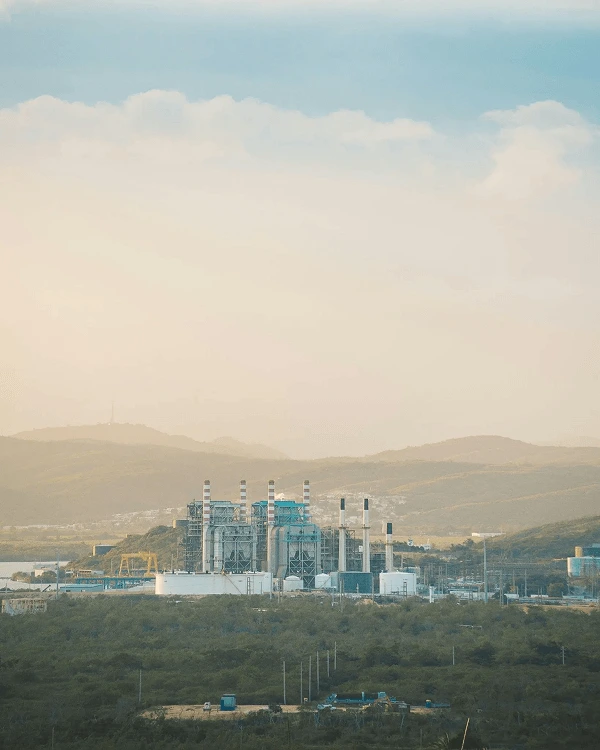
Behind the headline numbers is a grid that fails by design. Puerto Rico's electricity system is centralized, aging, and almost entirely dependent on imported fossil fuels, leaving the island exposed to cascading failures during storms and routine interruptions. In 2024 alone, the average customer experienced 19 service interruptions, compared with 1.3 for those on the U.S. mainland in 2023.
The economic cost is enormous. Territory-wide blackouts can cost an estimated $1 billion per day in direct losses, and a 30-day outage is projected to cost up to $29 billion.
The climate stakes are equally high. Power generation is Puerto Rico's single largest source of greenhouse gas emissions, accounting for approximately 52% of the island's total. How the grid is rebuilt will therefore also shape the island's long-term emissions trajectory and, by extension, where philanthropic dollars can do the most good.
The Philanthropic Opportunity
Philanthropic support for energy resilience and reliability in Puerto Rico represents less than 1% of total philanthropic climate funding on the island, leaving an opportunity for even modest philanthropic contributions to achieve outsized impact.
There is also an opportunity for philanthropy to help shape how over $20 billion in committed federal recovery funds are spent on grid reconstruction, ensuring they produce a more resilient and reliable energy system while lowering emissions.
Puerto Rico has already committed to 100% renewable electricity by 2050, but the current territorial administration has prioritized natural gas expansion. The legal and policy frameworks for accountability are already in place, and with more funding, advocacy groups are well-positioned to close the gap between commitments and implementation.
Recommended Philanthropic Strategies
A focus on energy resilience and reliability offers an unmatched philanthropic opportunity to reduce human and economic harms from climate change at scale while reducing the territory’s carbon emissions.
Our research points to two complementary approaches for improving energy resilience and reliability in Puerto Rico:
- Distributed renewable energy and storage programs. Diversifying energy generation and expanding access to reliable renewable energy sources, such as solar power and battery storage, would ensure electricity can be supplied locally during outages, reducing dependence on vulnerable transmission infrastructure and keeping critical services running when the centralized grid fails.
- Centralized grid resilience and reliability. Pairing renewable energy with technology enhancements for grid monitoring and intermittency management can address Puerto Rico’s chronic power generation shortfalls while building a more reliable system in the long term.
Together, these approaches address both everyday reliability challenges and long-term resilience to extreme weather.
Within these approaches, we identified three high-impact sub-strategies for philanthropic investment.
1. Advocacy for Reliable and Resilient Renewable Energy Targets
Puerto Rico is legally committed to 100% renewable electricity by 2050, but current reconstruction decisions are favoring fossil fuels. Advocacy can help address the inconsistency between commitments and implementation by ensuring federally funded rebuilding plans prioritize distributed solar and battery storage. Philanthropy can accelerate this work by funding organizations with the capacity to engage regulators and hold decision-makers accountable to existing commitments.
2. Litigation to Increase Renewable Energy Adoption in the Centralized Grid
A recent court ruling already forced the Federal Emergency Management Agency (FEMA) to consider distributed solar in grid reconstruction plans, demonstrating that strategic legal action can redirect billions in public recovery funds toward resilient, renewable outcomes. This work depends entirely on philanthropic investment and represents one of the highest-leverage philanthropic opportunities to hold the government accountable to its climate commitments.
3. Advocacy for Technology Enhancements for Dynamic Grid Monitoring
Puerto Rico’s grid is not built to handle high levels of renewable energy, and current reconstruction plans do not adequately address this gap. Advocating for modern grid-monitoring technologies as part of ongoing reconstruction could maintain power for at least 50% of customers during major storms while enabling the island to integrate solar at scale.
Resulting Grants
Following this research, we advised that our client make grants to two high-impact organizations whose work aligns with our recommended strategy:

What is Casa Pueblo?
Casa Pueblo is a long-standing, community-based environmental organization headquartered in Adjuntas, Puerto Rico. Founded in 1980, it works at the intersection of environmental protection, community self-determination, and sustainable development. Over the past two decades, Casa Pueblo has become a leading practitioner of community-owned renewable energy in Puerto Rico. It deploys solar energy systems, microgrids, and resilience hubs to support households, small businesses, and critical community infrastructure, while embedding this work in education, culture, and local governance.
What grant did we advise?
The Casa Pueblo grant supports the launch of the Living Energy Innovation Laboratory, Puerto Rico's first community-owned energy research facility, based in Adjuntas. Funds will equip a grid-edge hardware testbed, deliver hands-on training for residents, technicians, and students, and support the first neighborhood-scale demonstration of advanced networked microgrids and dynamic-boundary controls.
While Casa Pueblo is implementing rather than advocating, this grant most closely aligns with our sub-strategy of advocacy for technology enhancements for dynamic grid monitoring, since the lab generates the technical evidence, demonstrated models, and trained workforce these advanced grid technologies need to scale across the island.
What is the Resiliency Law Center (RLC)?
RLC is a Puerto Rico–based nonprofit legal and advocacy organization that strengthens climate resilience and energy reliability by improving transparency in energy governance. In 2025, RLC monitored over 200 legislative measures, distributed updates to more than 1,000 subscribers, published 17 policy pieces, delivered 18 workshops, and facilitated at least 500 instances of citizen participation across 70 municipalities.
What grant did we advise?
The Resiliency Law Center grant supports the expansion of its legislative monitoring platform and a multi-pronged advocacy program designed to make Puerto Rico's energy and climate policymaking more transparent and accessible to communities. The funds will sustain monthly tracking and plain-language analysis of environmental and energy legislation, capacity-building workshops in advocacy and public-comment drafting, direct support for community coalitions engaging with legislators and regulators, and public forums and media campaigns that build support for renewable energy.
This grant maps cleanly to our sub-strategy of advocacy for reliable and resilient renewable energy targets, since RLC's work is built around closing the gap between Puerto Rico's 100% renewable electricity commitment and its implementation.
How To Put This Into Practice
We encourage donors interested in supporting climate adaptation and mitigation in Puerto Rico to consider funding organizations working on the strategies outlined in our report.
Overall, there is a shortage of organizations implementing the strategies we identified, and we would love to see more nonprofits working on the high-impact solutions we identified.
Any donors interested in major gifts are welcome to reach out for more nuanced guidance on where to give.
As always, we welcome you to reach out with questions, feedback, requests for personalized climate giving support, collaboration inquiries, and more.
Whatever it may be and wherever you are in your climate journey, we want to hear from you!
Related News



.webp)
.webp)
.webp)



.webp)


.webp)


.webp)
.webp)



.webp)

.webp)

.webp)
.webp)
.webp)

.webp)
.webp)
.webp)

.webp)

.webp)


.webp)



.webp)


.webp)
.webp)

.webp)
.webp)



Support Our Work
Giving Green Fund
One fund. Global impact. One hundred percent of your gift supports a portfolio of high-impact climate organizations, vetted by our research.
Best for:
Donors who want the simplest way to impact multiple climate solutions.
Top Climate Nonprofits
Meet the organizations on Giving Green’s list of high-impact nonprofits working to decarbonize our future, identified through our rigorous research.
Best for:
Donors who want to give directly and independently.
Support Our Work
We thoroughly research climate initiatives so you can give with confidence. For every $1 we receive, our work unlocks another $25.90 for effective climate solutions.
Best for:
Donors who want to amplify their impact through research.