High-Impact Biodiversity Philanthropy
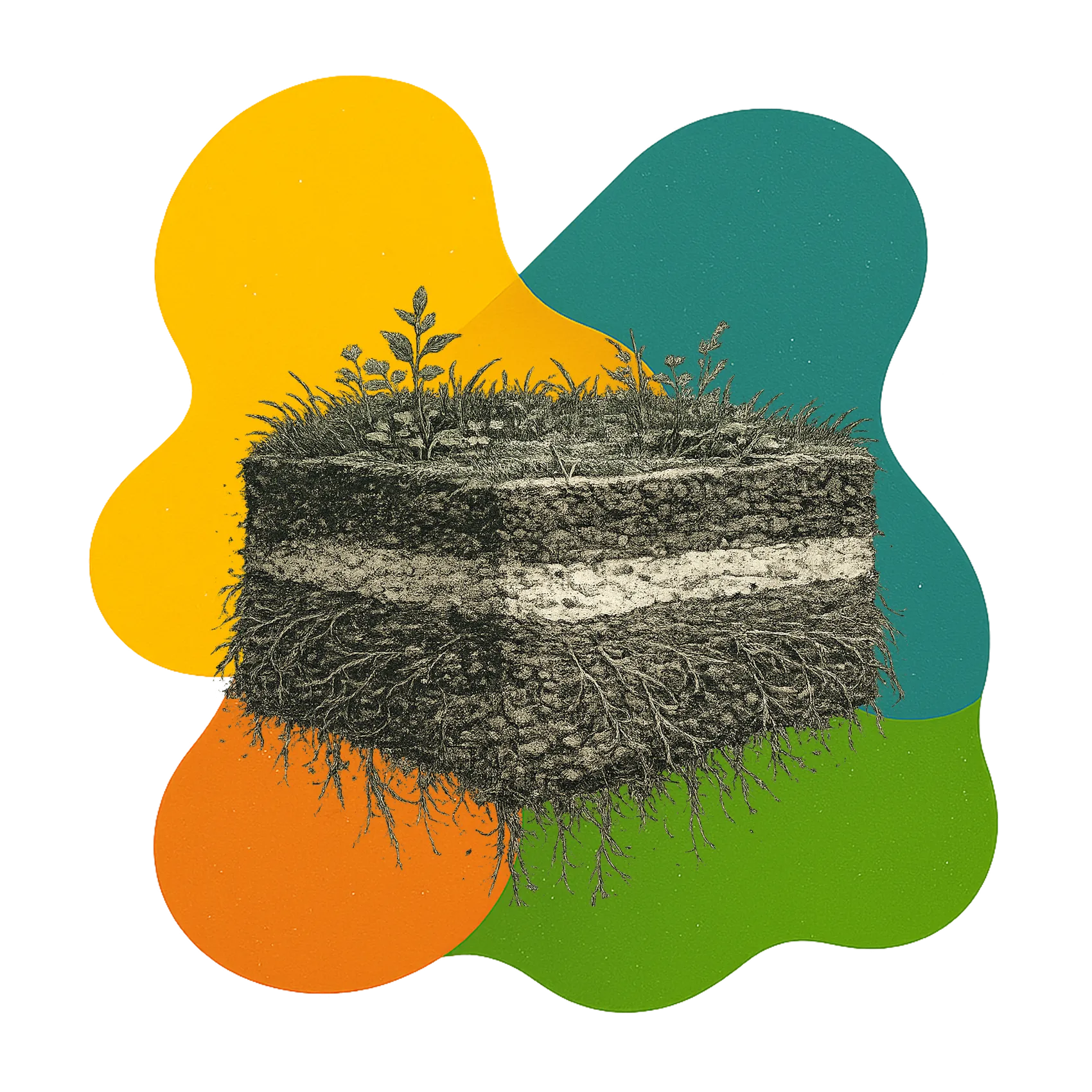
Strategic Giving for Reducing Biodiversity Loss
Biodiversity is in decline, and philanthropy accounts for just 2% of global conservation funding. Our research maps how donors can use limited philanthropic dollars strategically to reduce habitat loss on a global scale. The report identifies four neglected yet high-impact solutions that address the root drivers of habitat loss on land and sea.
This research is the result of a consulting project for a donor who wishes to remain anonymous. The Giving Green Fund remains dedicated to climate solutions and does not fund any biodiversity work.
Top Biodiversity Nonprofits
Good Food Institute
Livestock production is responsible for at least 10% of global emissions – livestock belch methane, require substantial (often deforested) grazing land, and contribute to general supply chain emissions. The Good Food Institute (GFI) seeks to make alternative proteins as affordable and delicious as conventional products. It pushes for more government funding for research, fights for fair labeling, and helps cultivated meat get to market.
We think GFI is a powerhouse in supporting alternative proteins, with impressive wins under its belt.

Wetlands International
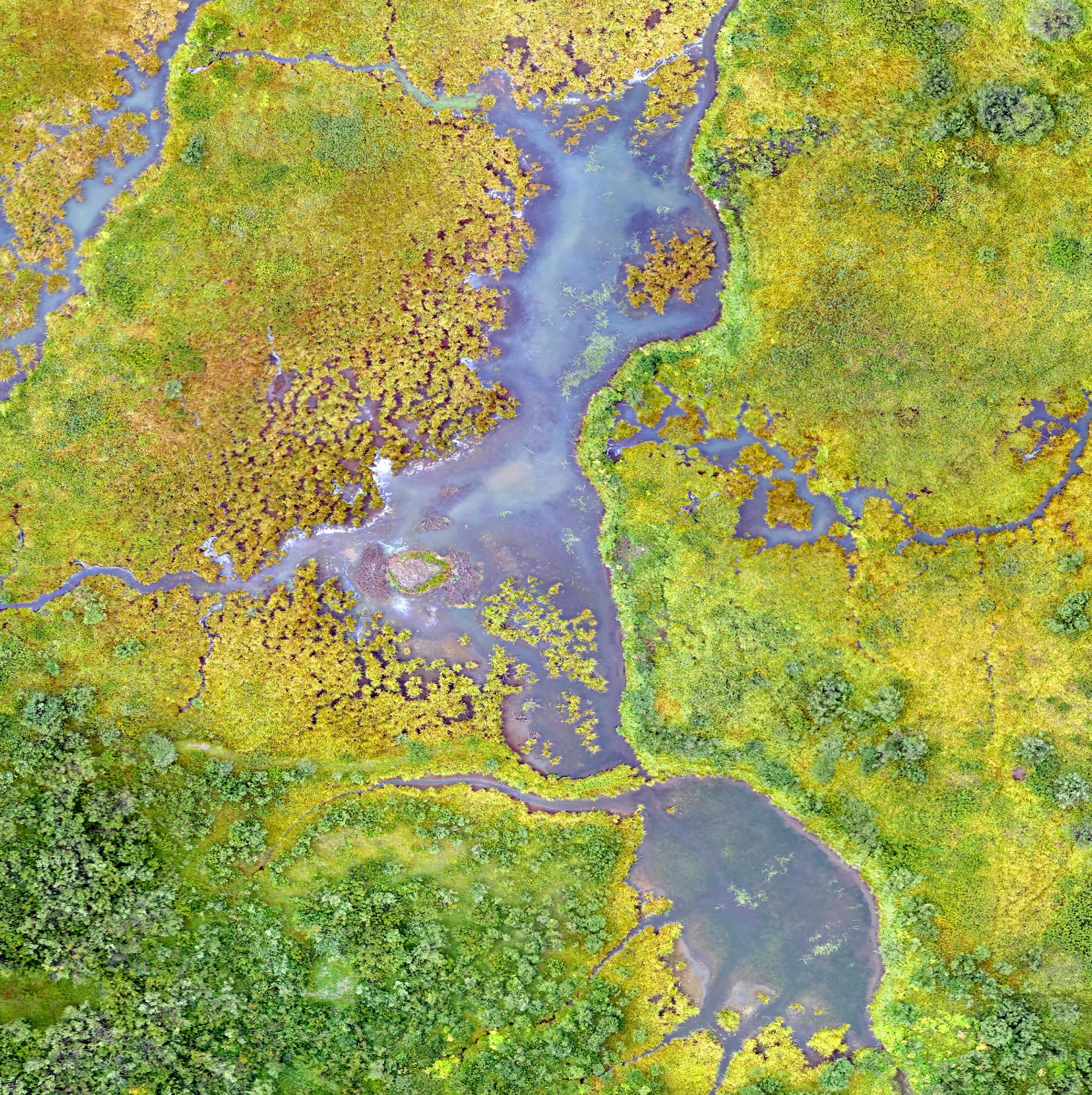
Wetlands International is a global nonprofit organization working to safeguard and restore wetlands for their environmental value and ecosystem services.
While wetlands cover approximately 10% of the global land surface, up to 40% of the world’s species live and breed in them. Wetlands are disappearing three times faster than forests. Wetlands International’s work to conserve and restore wetlands at scale is important for protecting the ecosystem services they provide and the species that depend on them.
Our Research on Reducing Biodiversity Loss
Biodiversity Philanthropy Reports
.webp)
February 20, 2026
Reducing Biodiversity Loss: Strategy Report
Top Biodiversity Nonprofit Evaluations
.webp)
February 22, 2026
Good Food Institute: Top Biodiversity Nonprofit Spotlight (2026)

February 20, 2026
.webp)
.webp)